
enjoy this new post!
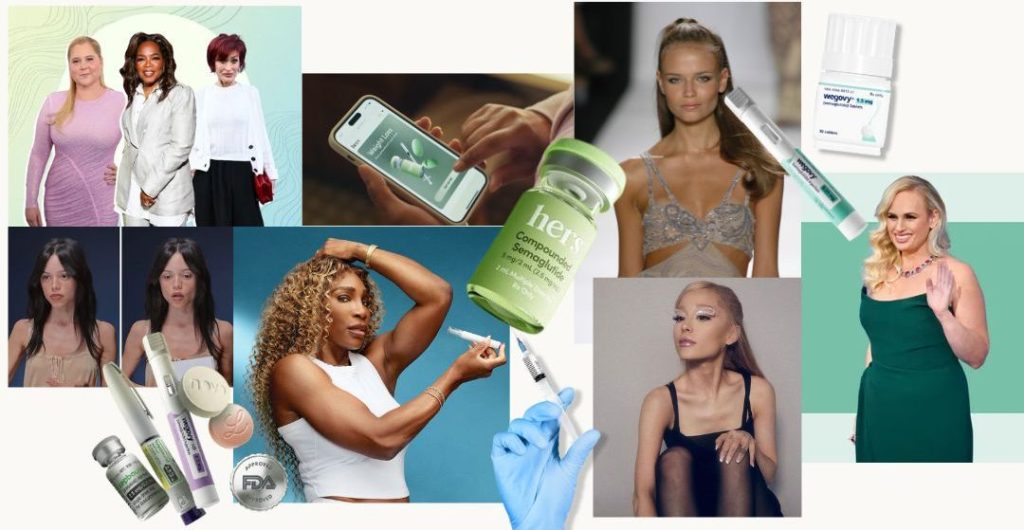
this year, a Super Bowl ad for prescription weight loss medication starred tennis-sensation Serena Williams. a few years ago, most people had never heard of these drugs.
so how did we get here? to answer that, we have to start with something bigger. why do we are so much about looking good in the first place?
why we care this much
caring about how you look is really nothing new. the new(ish) part is how often we are being looked at.
it’s normal to see your own face a few times a day in the mirror. now, you see it in tagged photos, stories, the front camera opened on accident. what’s harmful to us humans is seeing everyone else’s best version of themselves that comes across as ‘effortless’ or ‘minimal’.
psychologists refer to this as social comparison: we figure out how we’re doing by taking note of the people around us. the problem is that “the people around us” no longer refers to those immediately around you, but also everyone on the internet.
this is also considered the halo effect. essentially, when someone looks good, we may assume other good things about them too — maybe they are smarter, nicer, more put together. nothing necessarily needs to be said out loud, but people do get treated differently because of it. wanting to look good comes with a reward.
economist Daniel Hamermesh estimates that the best looking third of Americans earn about $230,000 more over a lifetime than the bottom seventh.
every insecurity has a product
this is where the business side comes in.
if you feel ‘fine’ about yourself, you don’t feel the need to fix as much, and therefore you don’t buy much. so a lot of beauty marketing works by first pointing its finger at a problem and then handing you the ability to fix it. sometimes a problem doesn’t even have a name until there is something to sell for it.
and the fixes have grown significantly bigger. starting with makeup and skincare, to supplements, to procedures. each step is a little more serious and a little more expensive than the previous one. treatments that were once completed in secrecy have become something to almost show off.
what stayed the same was effort. looking good was supposed to take “work”. maybe this comes in the form of meal prepping, finding time to go to the gym between 35-hour work weeks, getting in 10,000 steps a day. the effort was what made the results a flex.
then…the shot
GLP-1s (glucagon-like peptide -1’s) are a type of medication that started out as a treatment for type-2 diabetes. they frequently go by names such as Ozempic and Wegovy. their purpose, in short, is to make you feel full and think about food less, and therefore, lose weight. for a lot of people with medical needs, they have been life changing.
somewhere along the way, these treatments became less of a professional prescription but a new step for people to add in their routines. this hype came mostly from celebrities and influencers fully admitting their usage of such treatments.
according to Gallup, about one in nine US adults now takes a form of GLP-1s; that’s 11% of U.S adults compared to 3% two years ago. count by household and it’s about one in five, according to a PwC analysis reported by Reuters.
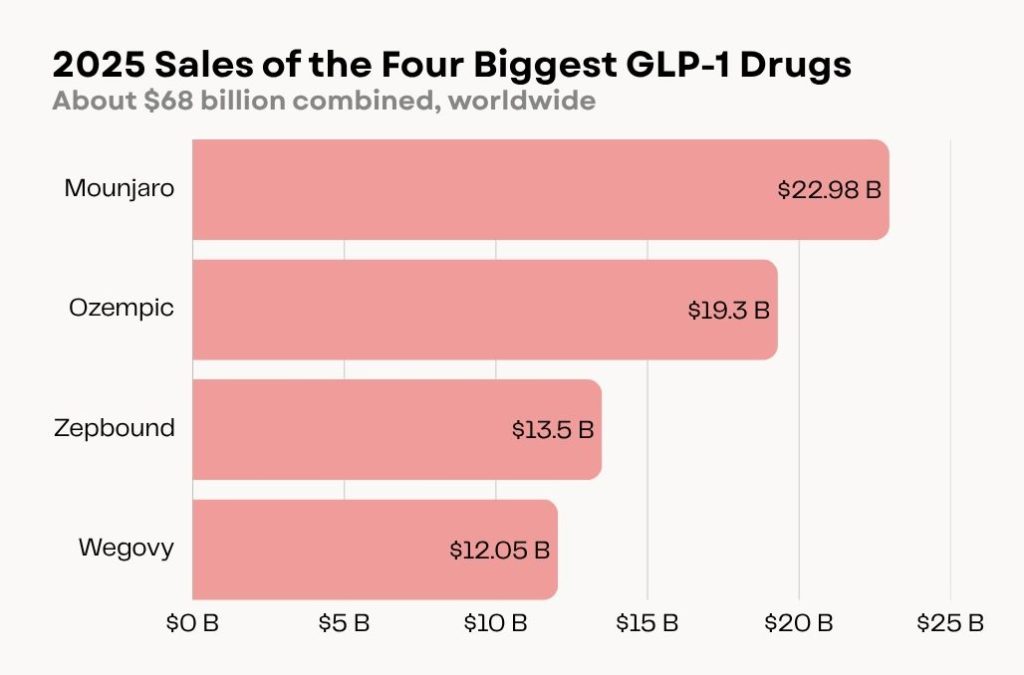
the four biggest GLP-1 drugs brought in about $68 million in 2025, going by DelveInsight’s sales figures. Zepbound, the one made specifically for weight loss, grew 175% in a single year
now not all of those numbers are solely based on looks. many people take these for purely health reasons. but in one survey, 71% of Americans who take one or would consider it said weight loss was the main reason. and nearly half of Americans now see these drugs as a weight loss or lifestyle product more than a medical treatment, according to Virta Health.
medicine getting sold like skincare
this is the part i find most interesting, because it didn’t happen by accident.
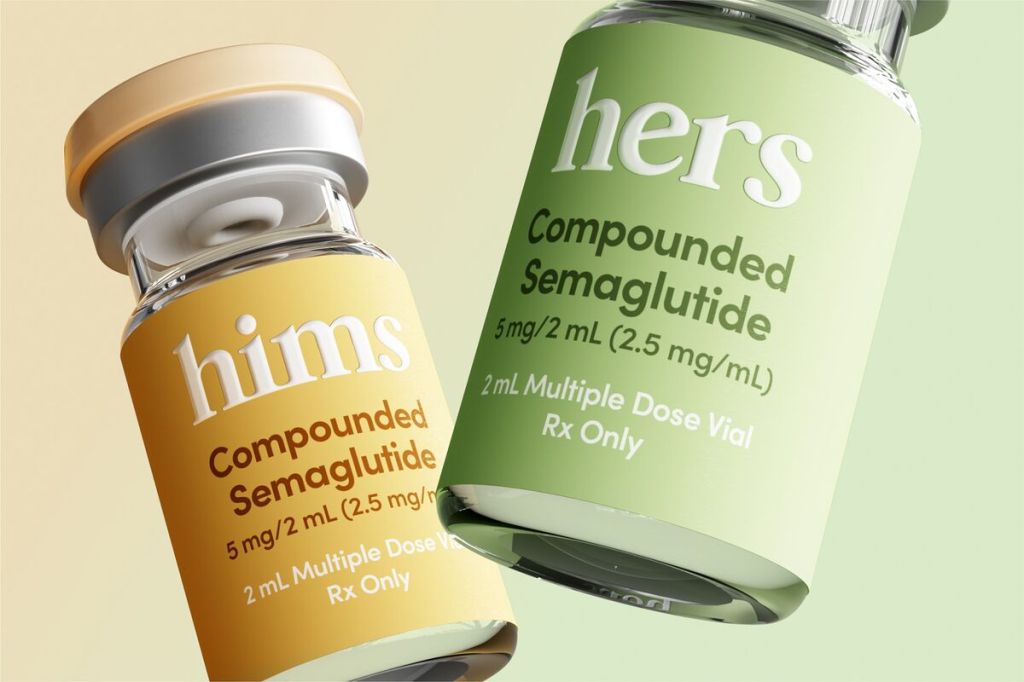
telehealth companies like Hims & Hers and Ro made getting a prescription feel no different than ordering anything else online. fill out a form, get approved, and soon enough a box will show up at your door.
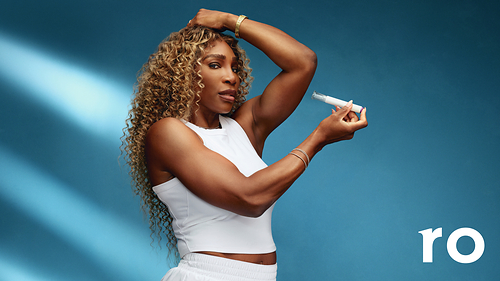
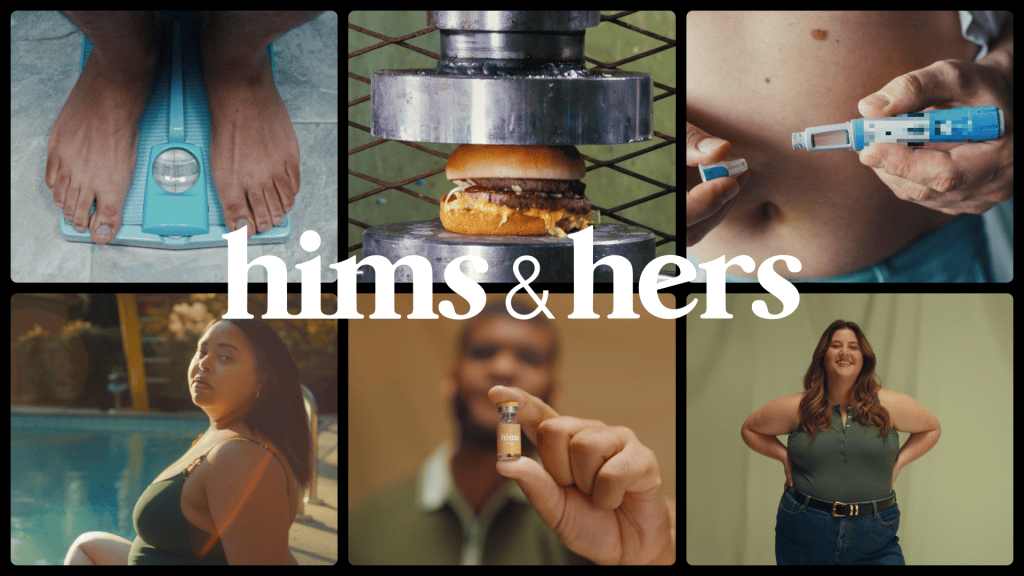
the ads made a huge difference as well. as previously mentioned, Hims & Hers ran a Super Bowl commercial for its weight loss program in 2025 to an audience of 127.7 million viewers. the company said traffic to its site jumped more than 650% in the hours after it aired, according to Fierce Healthcare. then, a year later, Ro aired the Serena Williams ad. January used to be the month of diet and gym ads — one blog now calls it ‘telehealth GLP-1 season’.
when we look at the playbook, these strategies are not any different than the ones beauty brands have always used. often utilizing a famous or familiar face you already trust, before and afters, and playing on the feeling that everyone else is already doing it. the easiest part is that a checkout can now take two minutes.
the only difference is that this time the product is a prescription drug
changing more than bodies
when this many people start eating less, companies notice.
people on GLP-1s eat about 40% fewer calories on average, and family grocery baskets are 4% to 6% smaller, according to PwC data reported by Reuters.
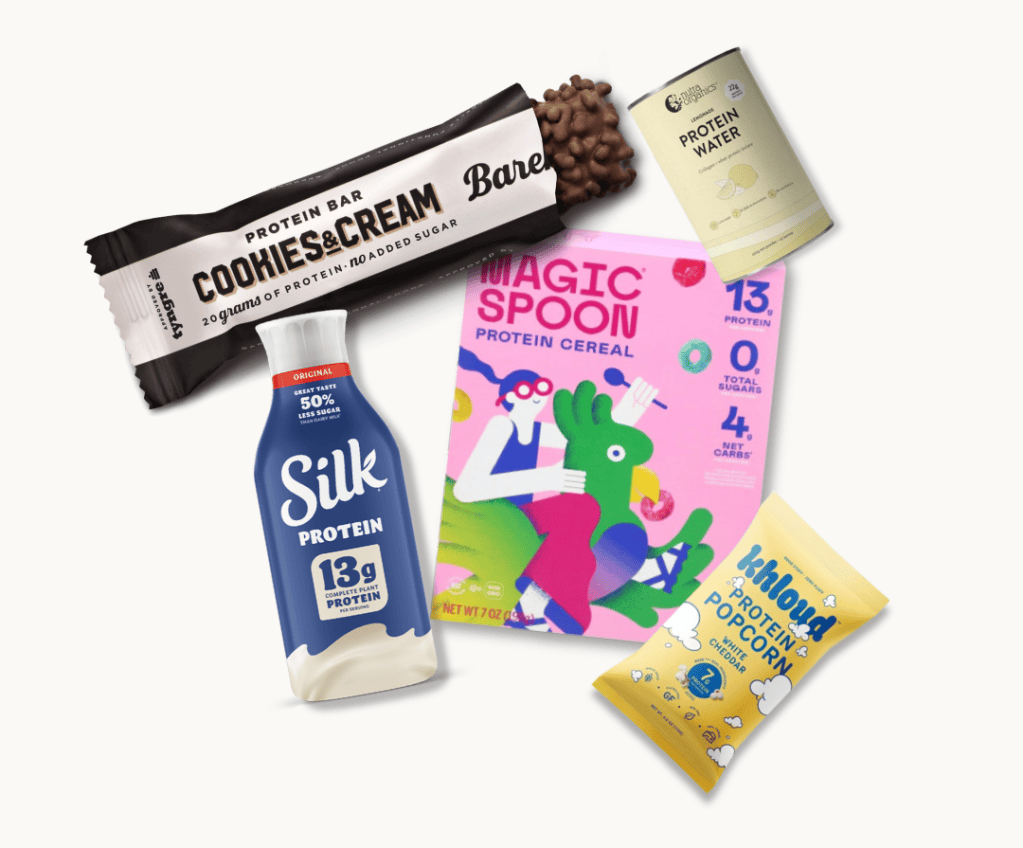
food brands such as PepsiCo and Coca-Cola are moving to smaller pack sizes and shorter ingredient lists this year, according to Reuters. one estimate says snack makers could lose up to $12 billion in sales over the next decade. if you’ve wondered why protein is suddenly in cereal, chips, milk, this is part of the reason.
this loops back to beauty as well. households with someone on a GLP-1 spend about 30% more on beauty products than other households, according to McKinsey. brands have launched products for issues like thinning hair and volume loss in the face.
if you were unaware, the P in GLP-1 stands for peptide, which is not a new word in the beauty industry. while you may be familiar with peptides in serums, lip treatments, or hair products, it’s now on unapproved injectables frequently bought online. a word that feels familiar makes something foreign seem safe and familiar too.
a report in the American Journal of Managed Care says searches for peptides have now passed searches for Ozempic, and mentions of “peptide therapy” on Google are up 281% in a year. it also says that unapproved market could hit $50 to $75 billion by 2028, and that some products tested had only 5% to 75% of what the label claimed.
what does this say about us?
i don’t think the takeaway is that people are vain or that these medications are “bad”. plenty of people take them for real health reasons, often kept between them and their doctor.
but this all became normal very fast. a few years ago, these medications were solely diabetes treatments most people had never heard of. now, it has Super Bowl ads and around $70 billion a year in sales — absolutely crazy.
that only works because this pressure was already established. the routines, the comparing, the feeling that you’re always slightly behind. the shortcut showed up right when everyone was tired of the ‘long way’. a lot of that money is really a measure of how much we care about how we look.
so i keep coming back to one question. who decided we all needed to get there in the first place?
References:
https://www.emarketer.com/topics/category/glp-1
https://conscienhealth.org/tag/telehealth
https://www.mckinsey.com/industries/consumer-packaged-goods/our-insights/state-of-beauty
https://news.gallup.com/poll/512576/teens-spend-average-hours-social-media-per-day.aspx
https://www.marketplace.org/story/2011/09/30/beauty-really-does-pay
https://www.delveinsight.com/blog/obesity-drugs-by-revenue
https://leger360.com/glp-1-medication-usage-interest-motivations-and-reported-behavior-shifts/
thank you for tuning in to this week’s post! we look forward to hearing your thoughts.


Leave a Reply