
enjoy this new post!
picture this. it’s 11 PM. a stranger on TikTok is trying on a halter top with a whole rack of clothes behind her. a banner on the screen boasts “only 14 left” and the chat below is an influx of “just got mine!!” five minutes ago, you didn’t know this brand existed. but now, it’s in your cart.
so what just happened? and why does it keep working on millions of people?
this isn’t new, it just moved
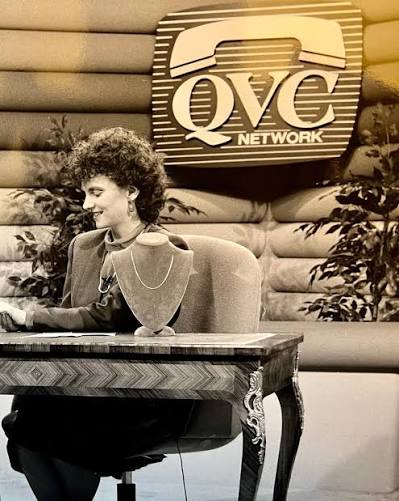
selling items on live TV has been around since the ’80s. QVC and HSN built entire businesses on a host, a product, a phone number, and a clock ticking down in the corner of the screen. for a long time, this was the most “boomer” way to shop you could imagine.
for a while it looked like the format wasn’t going to survive the jump to phones, at least in the U.S. Facebook and Instagram both shut down their live shopping features in 2023, even though it was already huge in China through apps like Taobao Live. Meta attempted it, but eventually walked away.
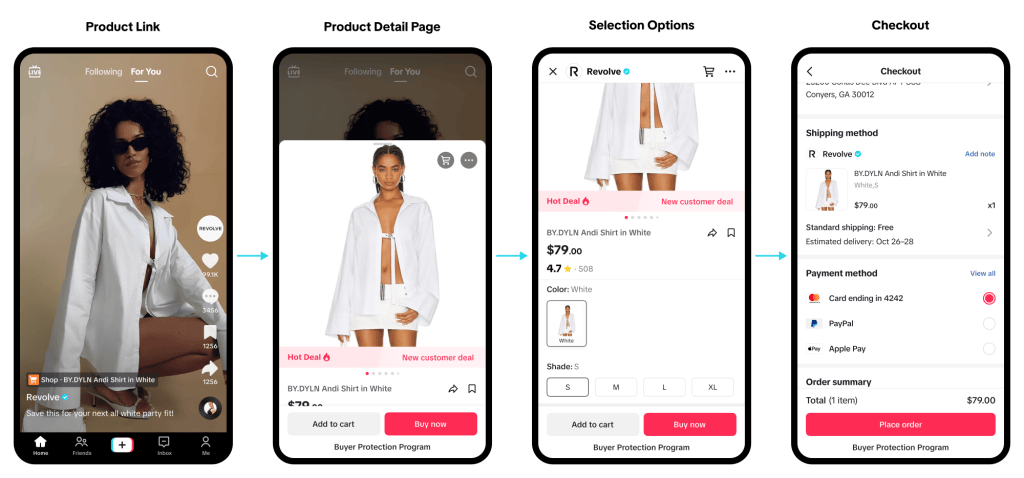
three years later, it’s back, and it seems like it’s here to stay. TikTok launched TikTok shop in the US in September 2023, letting people buy straight from videos and lives without ever leaving the app. its success took off fast – Americans spent $15.8 billion on TikTok shop in 2025 and another $11.8 billion in just the first half of 2026, according to eMarketer. U.S. TikTok now makes up about 2% of all U.S. online retail spending, which is more than Target or Costco.
live shopping came along for the ride, and its impact is nothing close to being small. U.S. live shopping is forecast to hit nearly $20 billion in sales in 2026, which is about 35% more than last year according to eMarketer. the format didn’t die, it just needed a younger audience and a better platform.
the numbers
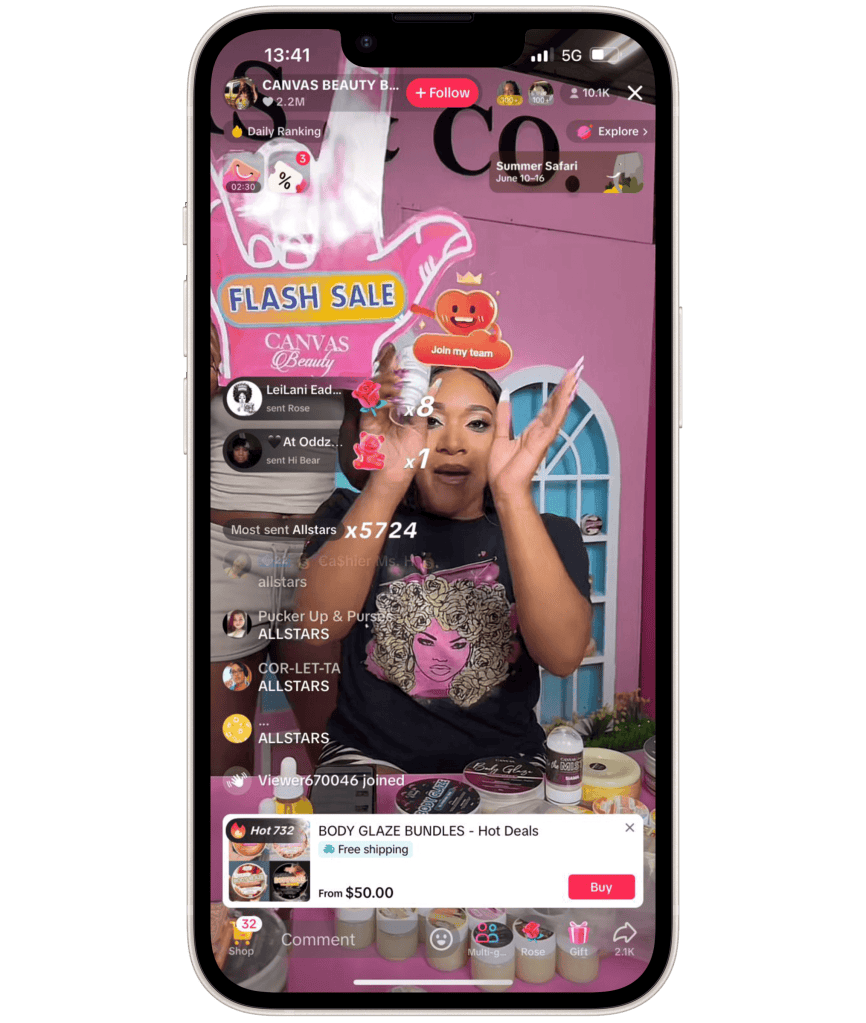
TikTok is the name most people think of when you hear ‘live shopping’. the company told CNBC its live shopping sales more than doubled the first half of 2026 compared to the year before. live sessions went up more than 60%, and hours streamed went up to 80%. more people are going live, for longer, and more people are buying.
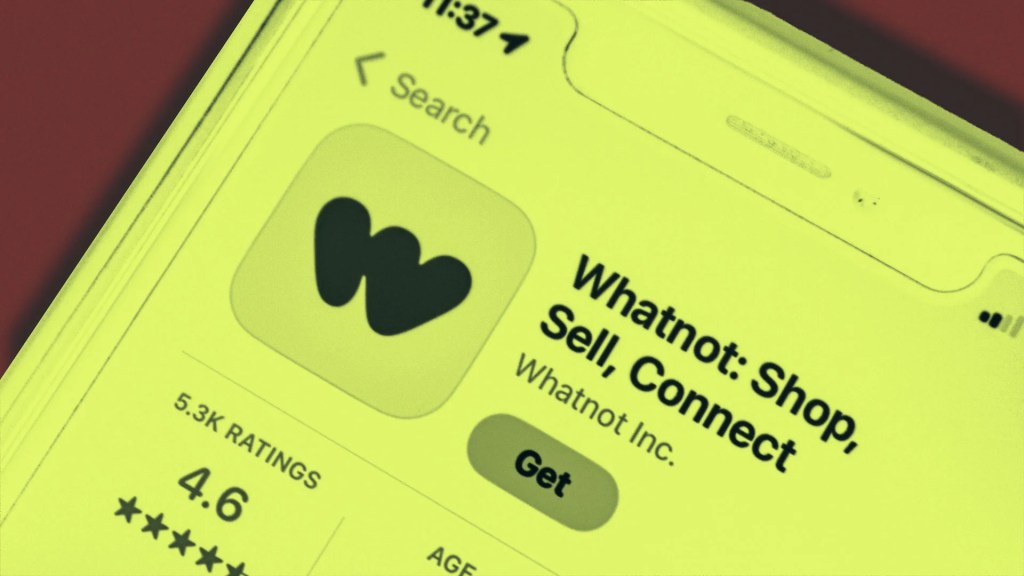
the bigger story comes from an app a lot of people probably have never opened. the app Whatnot started out in 2019 selling cards and sneakers over livestream. in August, it raised $545 million at a $20 billion valuation, almost double what it was worth less than a year earlier. its live sales went from just over $3 billion in 2024 to more than $8 billion in 2025. and sellers made more in the first half of 2026 than they did in all of 2025.
the funniest part? with all that money flying around, baseball cards and trading card games are still Whatnot’s biggest categories. a $20 billion company, and a big chunk of it is people getting hyped watching strangers rip open mystery card packs.
why it works on you
surprisingly (or not), none of this is an accident. researchers have been studying livestream shopping for years, mostly in China where it took off first, and the same few tricks and patterns keep showing up.
the scarcity principle: “only 14 left”. “deal ends in 3 minutes!” these are scarcity rules, and they’re some of the oldest moves in the book. a 2026 study of Gen Z TikTok shop buyers found that perceived scarcity pushed people straight into impulse buys, with no other step in between. it didn’t need to build trust first; it just worked. another study on live e-commerce found that time limits were better at creating urgency than quantity limits. so the countdown timer is doing more of the heavy lifting than the “only 14 left” banner.
parasocial interaction: this one is easier to sneak in. that same gen z study looked at what made people trust a stream. two things mattered most: how entertaining it was, and how much viewers felt a one-side connection to the honeest, like they actually know them. that trust is what eventually leads to buying. here’s the crazy part: how informative the stream was didn’t affect trust at all. people aren’t buying because they learned something about the product. they’re buying something because they had fun “hanging out” with someone who felt like a friend.
social proof: the element of the chat is the third component. when you see a sudden flooding of “just got mine” and “ordered 2!” on your screen, that’s other people’s choices quietly telling you what to do. a study of 837 livestream shoppers found that how easily someone is swayed by other people was a significant predictor of impulse buying during a stream. so really, you’re not shopping alone at 11 PM. it’s like you’re shopping with a few thousand people, and they all think the products are worth it.
FOMO
scarcity is the trigger of this — FOMO, or fear of missing out, is what it makes you feel. a 2026 study on TikTok Live Shopping surveyed 200 TikTok users in Jakarta who had watched personal-care livestreams and run into limited-time or limited-stock deals. these weren’t casual viewers either: 82.5% said they watch TikTok Live Shopping at least three times a week. the researches looked at the usual pressure tactics you’d see on a stream, like countdown timers, low-stock notices, flash-sale windows, and vouchers with a mid-broadcast expiration date.
here’s what they found. those scarcity cues accounted for nearly half (47%) of how much FOMO viewers felt, and over half (56%) of how hyped up and on edge they got. together, scarcity, FOMO, and that hyped-up feeling explained about 59% of viewers’ impulse buying. the interesting part is which feeling actually got people to check out. scarcity got people more excited than it made them afraid of missing out, but FOMO was the stronger push toward buying. the researchers’ explanation makes sense: excitement makes you ready to do something, but FOMO tells you exactly what to do. buy it now, before someone else does.
it’s less about wanting the top and more about not wanting to be the person who missed it. other research points to the same idea: in the moment, shoppers are already picturing how much they’ll regret it if they don’t buy. brands often trade a quick sale for trust.
the beauty angle

beauty might be the category where all of this works best. you can’t swatch a lip oil through a product photo, but you can watch someone do it live and see how it actually looks on skin.
e.l.f. figured this out early. it was the first big beauty brand on TikTok back in 2019, and now it runs about 15 livestreams a month, each lasting two to six hours, according to Fast Company. when it launched its new haircare line this June, it went to TikTok Shop a week before the products even hit retail stores such as Target. the launch was a four-hour livestream cohosted by beauty influencer Yonna Jay and cosmetic chemist Erica Douglas, better known as Sister Scientist. it ended up being e.l.f.’s biggest day-one category launch ever.
the word the industry uses for this is “edutainment.” think about who was on that stream: an influencer to keep it fun, and a chemist to make it feel legit. remember that study from earlier? information alone didn’t build trust. entertainment did. e.l.f. isn’t choosing between the two, rather, it’s using the education part to make the entertainment feel less like an advertisement.
the catch
live shopping feels like hanging out. it’s casual, it’s funny, there’s a person talking to you, and you can even “talk back.” but every part of it is built to speed up your decision.
think about how normal online shopping works: you put something in your cart and leave it there for three days, you check reviews, and maybe you forget about it a couple days later. half the time you realize you didn’t actually want or need it, and that pause is where a lot of purchases die.
live shopping is designed to never cause that pause. the timer will run out and the stock will “sell out.” the host moves on to the next product. so, if you wait until tomorrow, the deal is gone, and so is the person promoting the product in the first place. none of this means every live purchase is a bad one. but, it’s worth noticing that the format works best on you when not much thought is going into it.
the conclusion
so…back to that halter top at 11 PM. you might’ve told yourself it was a random impulse buy. it really wasn’t. the countdown, the friendly and talkative host, the chat full of strangers checking out: all of it was doing exactly what it was designed to do. and with U.S. live shopping headed toward $20 billion this year and Whatnot valued at $20 billion on its own, it’s clearly working and working extremely well at that!
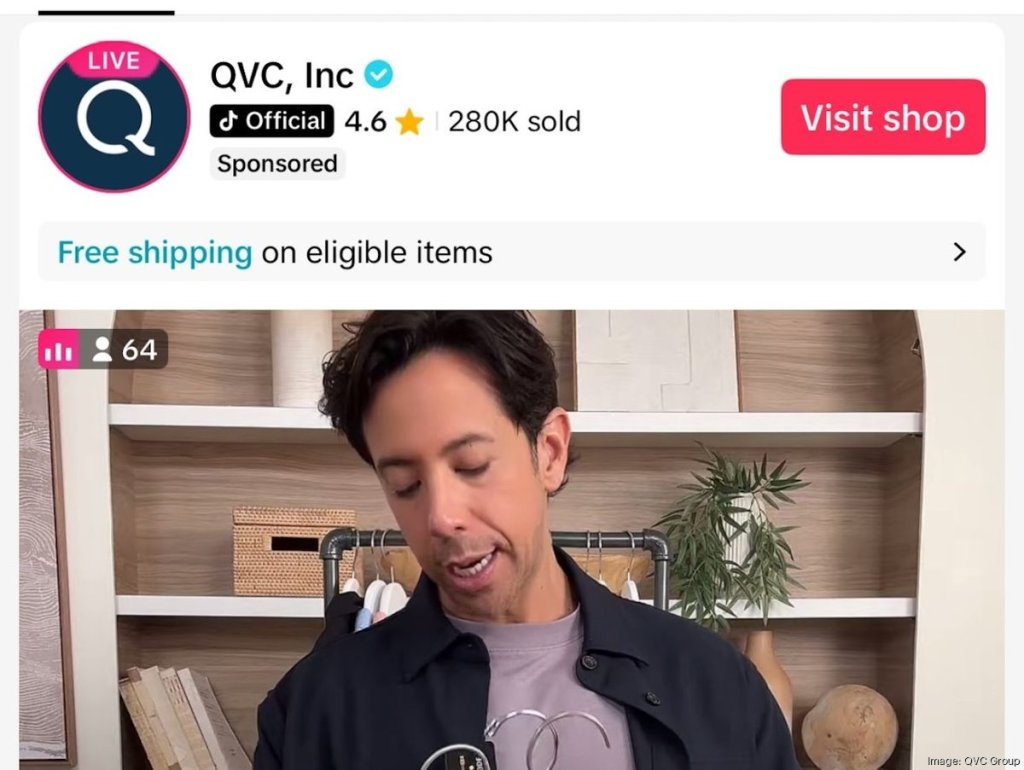
an added detail: QVC and HSN now livestream on TikTok around the clock. the format never really went anywhere, it just waited for a generation that used their phones instead of cable.
next time you catch yourself on a live, try one thing: close the app, wait a day, and see if you still want it. if you do, go for it. if you don’t, you just found out how much of that want was the livestream talking.
References:
https://www.emarketer.com/topics/category/whatnot
https://www.fastcompany.com/91585916/elf-perfected-tiktok-shop-live-playbook
https://digg.com/tech/990cdc30-a168-4879-b32d-c7307d9c3c2e
https://www.shopifreaks.com/?p=22717
https://valueaddedresource.net/whatnot-20-billion-valuation
/https://www.tubefilter.com/2026/01/28/whatnot-state-of-live-selling-report-2026-shopping-ecommerce/
https://ijms.ut.ac.ir/article_104287.html
https://ir.uitm.edu.my/id/eprint/145027
https://journal.unj.ac.id/unj/index.php/jdmb/article/download/70422/26483/211136
https://www.ncbi.nlm.nih.gov/pmc/articles/PMC10979273
thank you for tuning in to this week’s post! we look forward to hearing your thoughts.


Leave a Reply