
enjoy this new post!
picture this: your friend pulls out a lip product and you ask where it’s from. she says it’s the $9 drugstore version of the $45 designer one you saw the other day. you’re impressed; smart move, right?
now picture a different friend pulling out a fake designer bag. same idea, a cheaper copy of an expensive thing. but this time, in all honesty, the vibe changes. maybe it feels tacky…and maybe a little embarrassing.
so why is one a win and the other a red flag?
defining the dupe
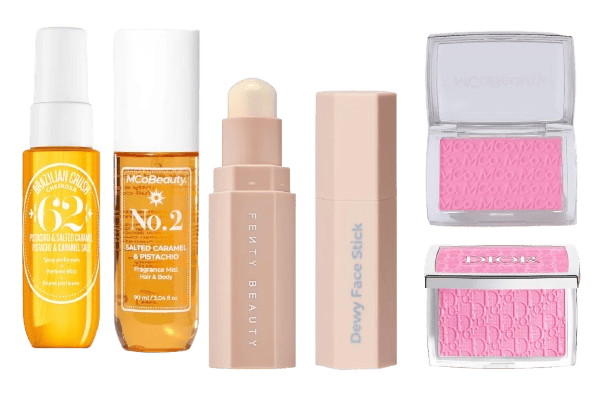
a dupe, short for “duplicate”, is a lower-priced product that is designed to replicate the look, feel, or function of the often more “premium” original. the distinction from a counterfeit is legal, not just semantic; counterfeit goods falsely claim to be the authentic, using protected logos or brand names to deceive consumers. dupes, on the other hand, avoid direct trademark use. simply put, a fake bag pretends to be the real thing, whereas a dupe admits it isn’t. this honesty is what makes dupes “socially acceptable”.
by the numbers
the scale of dupe culture is easy to underestimate. according to morning consult, nearly one-third of U.S. adults had intentionally purchased a dupe of a premium product. with this, participation has risen from roughly 49% among Gen-Z and 44% among millennials. two surveys from Business Insider and YouGov found that 71% of Gen-Z say they sometimes or always buy cheaper versions of name-brand products.
search behavior will tell the same story. a 2023 NielsenIQ survey for Google found that U.S. online searches for “dupe + skin care” rose 123.5% in a single year, while “dupe + make-up” searches grew 31% between 2022 and 2023.
social media is the engine behind all of this. TikTok videos using the #dupe hashtag have drawn nearly six billion views, and 70% of intentional dupe shoppers have an account on the platform. among young makeup buyers, roughly a third of consumers ages 18-34 bought a dupe because of something they saw on social media.
however, the trend may be cooling down. Morning Consult’s follow-up research found the share of U.S. adults who intentionally bought a dupe fell from 31% in October 2023 to 27% in February 2025, with an especially steep 11-point drop among millennials, who analysts suggest are becoming less motivated by trendiness as they age. in no way have dupes disappeared, but perhaps the novelty of it all is wearing off.
shame to status?
the most striking fact of this phenomenon is not how many people buy dupes, it’s how they feel about it. Morning Consult analyst Ellyn Briggs observed that instead of signaling lower status or being considered shameful, dupe shopping has become something consumers are proud of. one campaign analysis summed up the cultural flip neatly: in the past, the coolest girl may have been the one who could spend the most, but today, it is the one who can save the most.
the dupe isn’t necessarily about the product, but about the story that the buyer is telling. perhaps a counterfeit conveys a message of “I’m pretending I can afford this”. a dupe may say “I’m too smart to overpay”. While both are forms of signaling, they are aimed at different kinds of status.
formulation vs. formulation
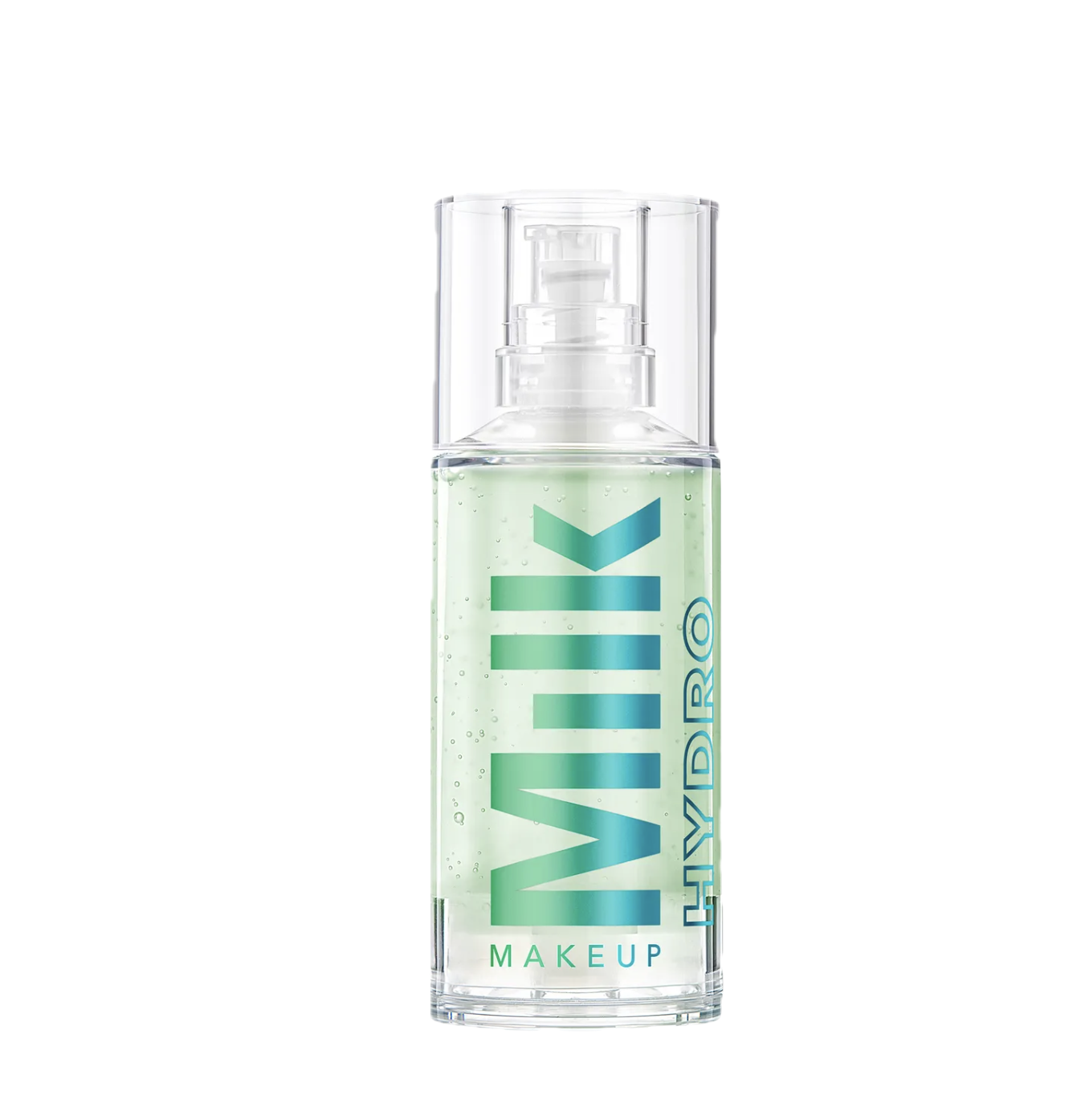
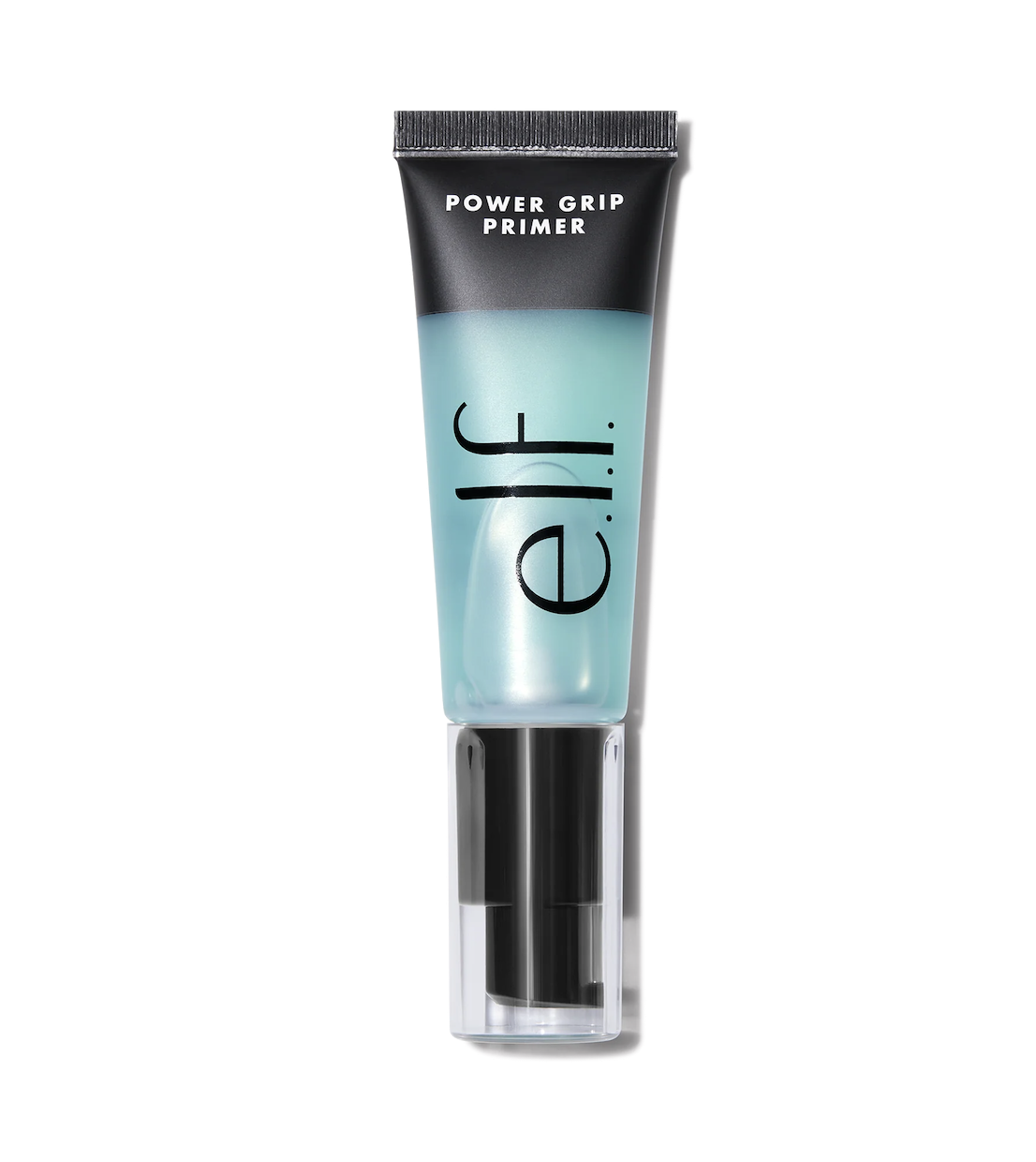
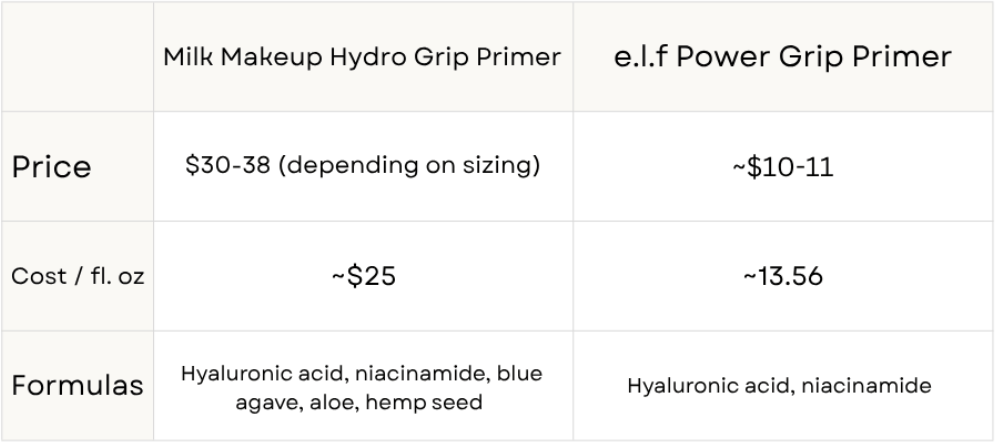
both primers center on hydration with hyaluronic acid as the star ingredient, but they are not identical. Milk’s version is more skincare-forward, using botanicals like blue agave extract, aloe water, and hemp seed. e.l.f’s grip appears to come mostly from its thick, sticky consistency, while Milk credits blue agave with forming an invisible layer that locks makeup in place.
the real duping happens more from the marketing, with three main tactics standing out.
- borrowed identity: the names can be nearly interchangeable (“Power Grip” vs. “Hydro Grip”), and both products come with a similar blue-ish green hue. it works well enough that reviewers regularly mix up the two names..
- price anchoring: e.l.f never has to advertise against Milk directly. every “dupe” video puts the $38 product next to the $10 one, and the premium product becomes the reference point that makes the cheaper one feel like a steal.
- the hero ingredient: Milk markets a story of botanicals and skincare benefits. e.l.f spotlights just one ingredient, hyaluronic acid, which lets it borrow credibility from a well-known name without matching the full formula. since ingredient lists are ordered by concentration, the ingredients a brand promotes aren’t always the ones doing most of the work.
how brands are responding
brands have split off into three paths.
first, the embracers. some have built their identity around being the affordable alternative. take e.l.f. Beauty for example; they have turned beauty dupes into a major business worth $6 billion.
second, the reframers. Lululemon’s 2023 dupe swap in Los Angeles let customers trade knockoff leggings for real Aligns. it generated over a billion earned media impressions, and about half of participants were new to the brand.
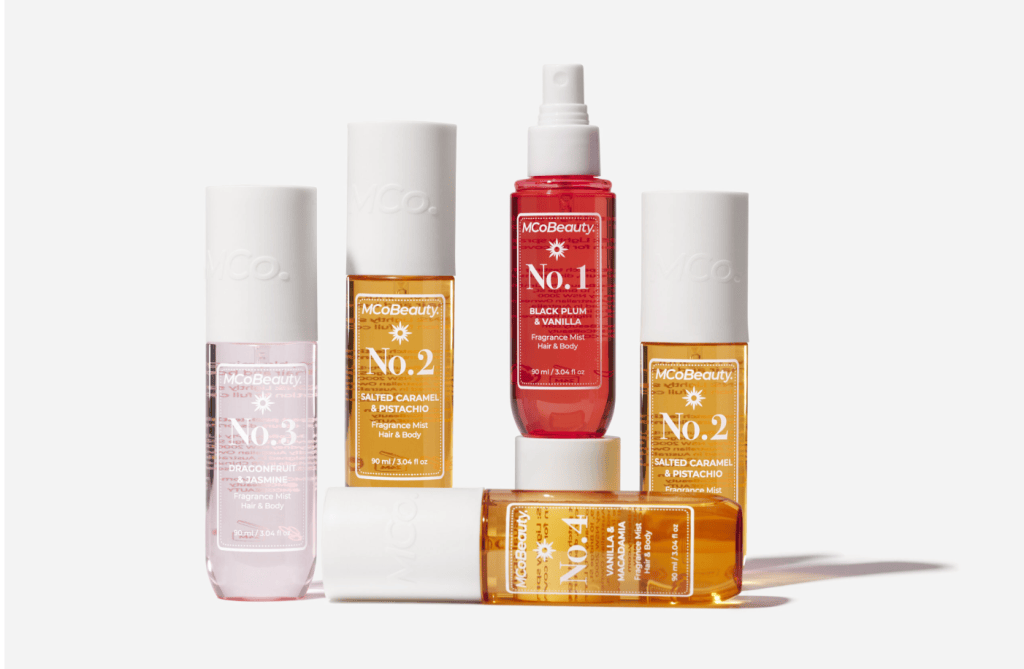
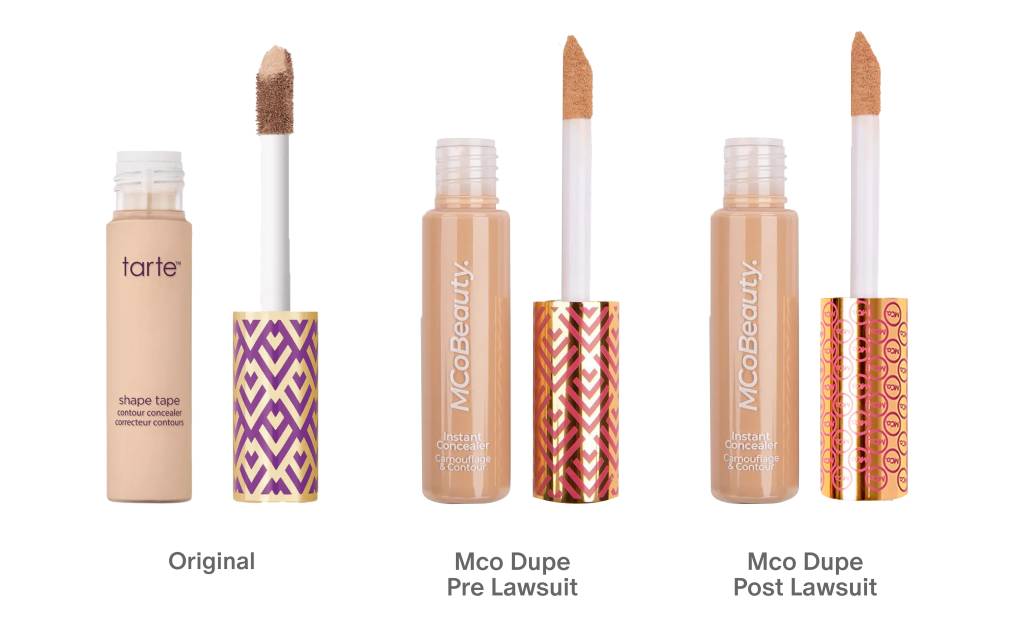
lastly, the litigators. some of these brands are going to court. in 2025, Lululemon sued Costo, alleging its look-alike products were made by overlapping manufacturers. Sol de Janeiro sued MCoBeauty over copied packaging and branding. results are mixed, however. Benefit’s suit against e.l.f. failed, so the legal question isn’t whether products look alike, but whether consumers are being misled.
the psychology of paying more
if dupes work nearly as well, why buy the original? research suggests price itself changes our experience with a product. in a 2008 PNAS study, participants tasted the same wine, one labeled at $90 and one at $10. the higher price increased not only how much people said they enjoyed it but also increased the activity in the medial orbitofrontal cortex, a brain region widely thought to encode experienced pleasantness.
paying more doesn’t just make us think a product is better, it can make us feel that it is. luxury packaging, a recognizable name, and a higher price all shape the experience before the product even touches your skin. now that’s something a dupe, by definition, can’t replicate.
the hidden costs
dupes are not a free launch. a Trustpilot survey found that nearly half, ~49%, of Gen-Z and millennial social media users said they’d been scammed buying a viral dupe. surprisingly, 53% of those scammed said it came from a familiar brand or retailer, while 34% couldn’t return the item or get a refund.
there’s also a creative cost. large retailers and fast-moving brands can copy smaller, independent companies that don’t have the resources to fight back, raising real questions about who benefits when originality becomes a “template”. and because dupes are cheap and constantly trending, they are encouraging buying more overall, cutting against the “smart shopper” identity that made them appealing in the first place.
now, go back to the two friends from the beginning. one bought a lip product dupe, the other a fake bag. functionally, they did the same thing: they bought a cheaper copy of something expensive. this difference is almost entirely social; one version is letting you perform intelligence, embodying the “smart shopper”, while the other is merely a performance of wealth.
dupe culture didn’t change what people buy nearly as much as it changed what they want to be seen as. the data shows the trend may be leveling off, but the underlying message holds: whether we reach for the original or the dupe, we’re rarely just buying a product. we’re buying the story we get to tell about it.
References:
https://www.cnbc.com/2023/10/31/gen-z-millennials-are-shopping-for-dupes-the-most-report-finds.html
https://www.emarketer.com/content/gen-z-brings-dupe-culture-new-heights
https://www.luxurytribune.com/en/gen-z-and-luxury-or-why-dupe-culture-is-growing-stronger
https://intel.morningconsult.com/mc-content/analysis/dupe-shoppers-brand-strategy-2025
https://www.cnbc.com/2023/10/31/gen-z-millennials-are-shopping-for-dupes-the-most-report-finds.html
https://www.fastcompany.com/90895043/lululemon-dupes-align-tiktok-lululemondupes
https://www.thefashionlaw.com/dupes-or-deception-mcobeauty-challenges-sol-de-janeiro-lawsuit/
https://www.thefashionlaw.com/dupes-or-deception-mcobeauty-challenges-sol-de-janeiro-lawsuit/
https://pubmed.ncbi.nlm.nih.gov/18195362/?dopt=Abstract
https://neuro.wharton.upenn.edu/community/winss_scholar_article5/
https://neuro.wharton.upenn.edu/community/winss_scholar_article5/
thank you for tuning in to this week’s post! we look forward to hearing your thoughts.


stay updated on the trends that are shaping modern culture, from beauty and home decor to the newest brand launches and lifestyle must-haves. don’t miss out, subscribe now!


Leave a Reply