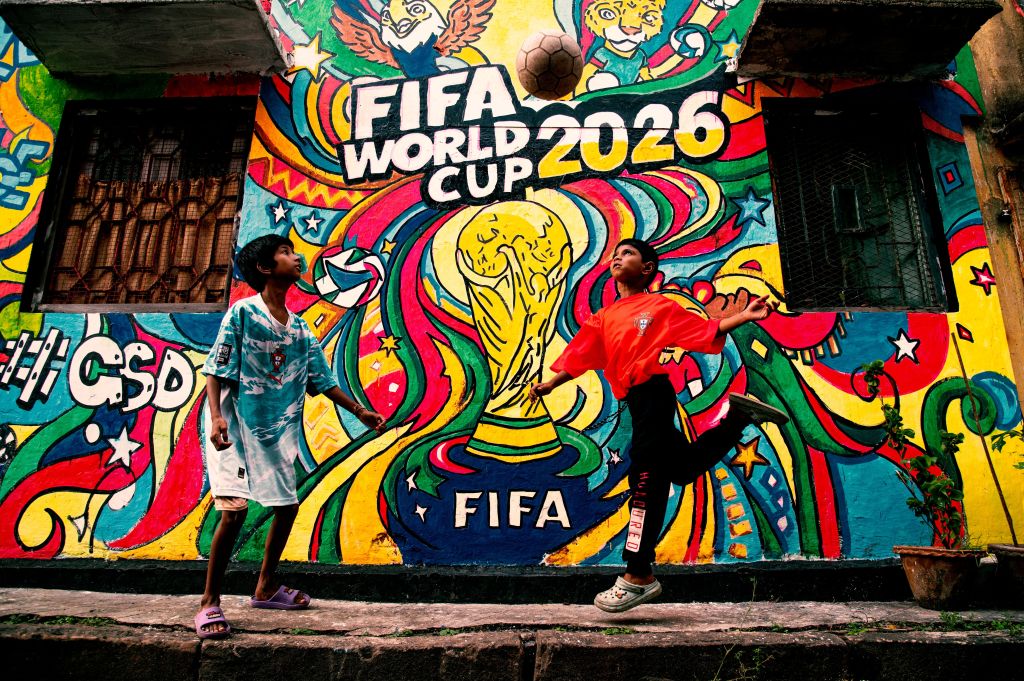
as the 23rd FIFA World Cup comes to a close, i wanted to step back from the typical writing lens i take on this blog to discuss the unique power of this game. throughout the past month, i’ve witnessed people crying out of frustration in pubs and bars, strangers wearing the same jersey embracing one another, and all of my friends coming out of their posting hibernation on social media to repost edits of their favorite player. it truly has led me to wonder: why do we have such a deep, emotional investment in the movement of the ball?
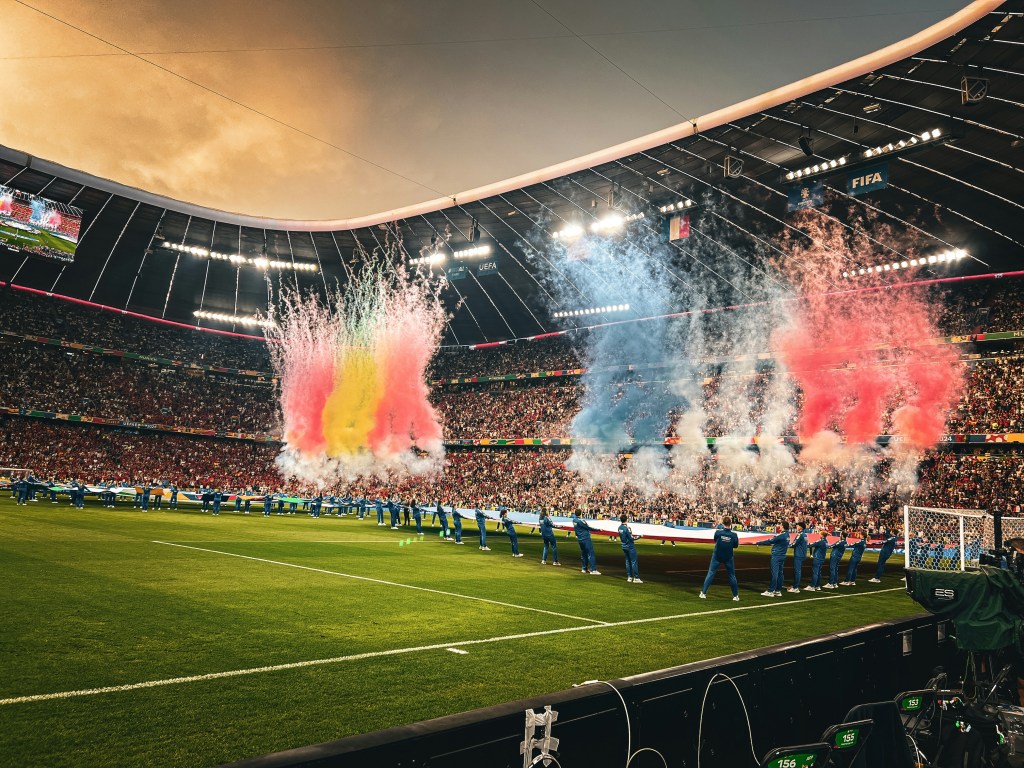
here is the reason the World Cup can bring people together: it channels our needs of belonging, group identity, shared emotion, and the excitement — the fervor of being part of something bigger than yourself.
the 2026 World Cup has been statistically the most lucrative and largest tournament in it’s history. generating over $9 billion to $10.9 billion for FIFA and nearly full occupancy for all games, it now holds the spot for the most profitable sporting event ever.
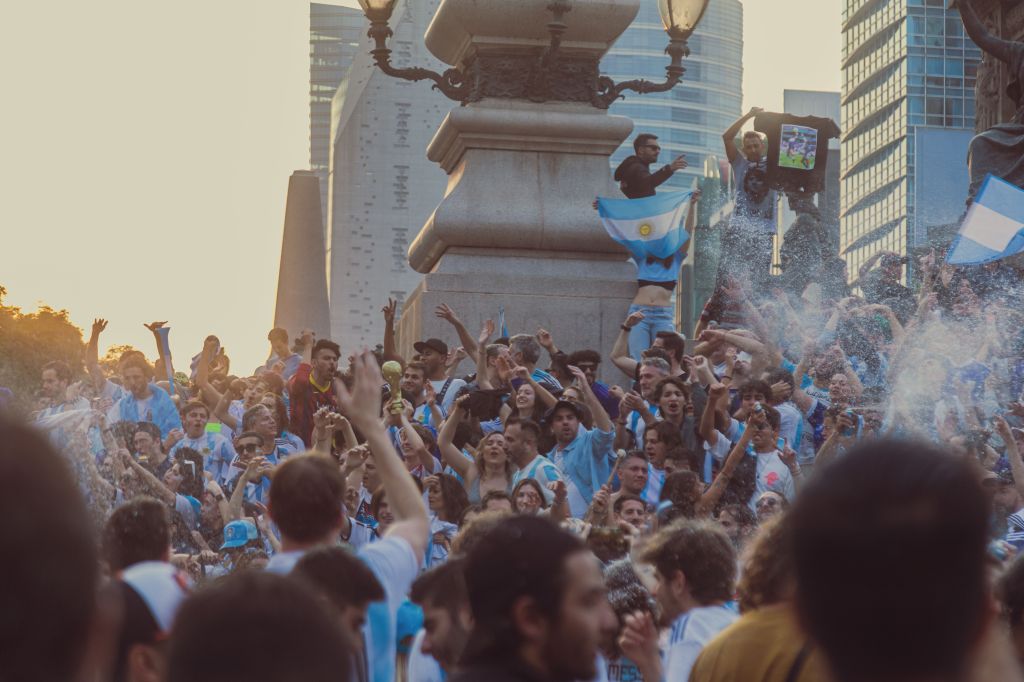
a major reasoning for such success is due to a phenomenon that psychologists call ‘social identity’. Daniel Wann through the American Psychological Association explains this sensation, stating ‘It’s the fact that if you identify with a local team that identification brings with it a group that you can then belong to and by the getting that sense of belonging, you’re going to get this sense that, you know what, I’m not alone in the world and that’s a great thing for our wellbeing’. this year, the World Cup featured 48 teams, marking the first expansion beyond its routine 32 teams. such an enlargement reflects more than the tournament’s growing scale; FIFA is broadening the scope of cultural inclusivity, giving more countries, cultures, and fan bases the opportunity to see a part of themselves represented on the world’s biggest stage. as you can imagine, this only furthers the emotional investment into the game and deepens the World Cup’s global audience and commercial reach.
there is another psychological term: ‘identity fusion’, where the team becomes part of the self. in relation to the World Cup, us humans feel the need to involve ourself in the game to feel a sense of “oneness”; this explains why fans are traveling around the world, dropping thousands upon thousands of dollars to snag a seat at a match, and even leave some nasty comments under the posts of the opposing team. Mark Van Vught (Ph.D.) of Psychology Today uses this term to explain how the evolution of human nature also comes into play. Throughout history of mankind, ‘survival depended on belonging to cooperative groups that competed with rival groups over territory, resources, and status. Team sports tap into these ancient coalition-building instincts’. tribal instincts also kick in in terms of competition — a simple game can be considered a substitute for war, explaining the passion behind why we want our team to win.
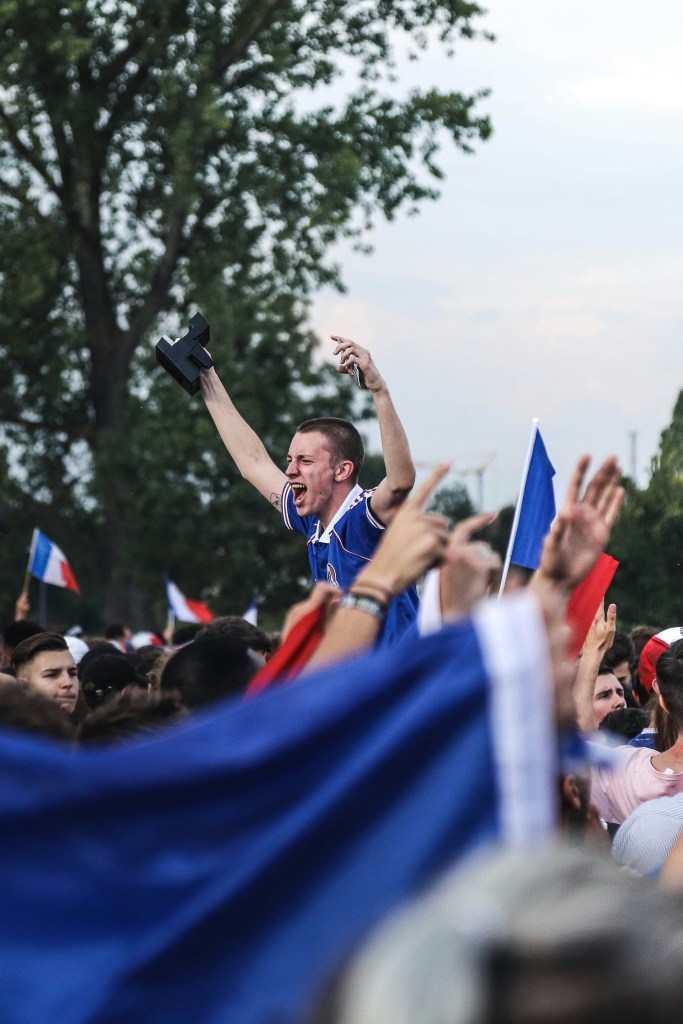
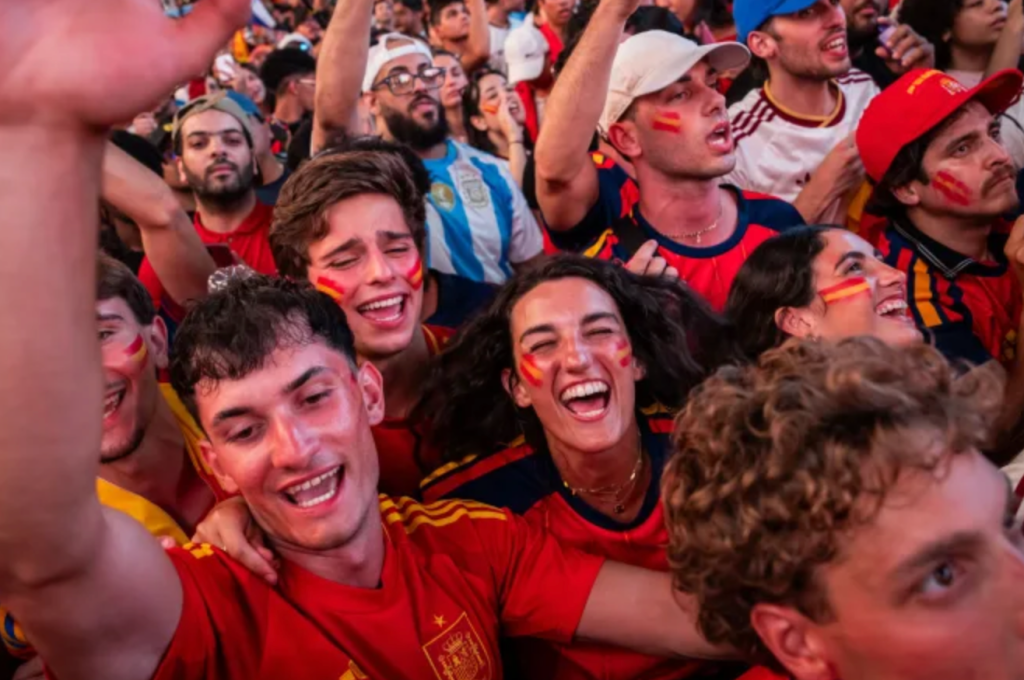
emotional contagion is the tendency for a person to “unconsciously [mirror] or [mimic] the emotions of those around them” (Psychology Today, 2025). in World Cup ideology, frustration can spread rapidly after a missed opportunity to score a goal, a maybe not-so-smart decision by a player, or defensive mistake. at the same time, optimism can return just as fast after a promising attack or late goal. these shared emotional fluctuations make the experience of watching feel more intense because fans aren’t reacting alone; instead, they are feeding off the energy of those around them. this way, the World Cup is creating a collective emotional experience where hope, anger, anxiety and celebration is moving just as quickly as the ball itself.
France fans celebrating via Unsplash
let’s talk science — specifically neuroscience. neurotransmitters can help explain why these shared emotions feel so physically intense as our brain works through interconnected systems. for example, during suspenseful moments, adrenaline and noradrenaline can increase alertness, heart rate, and physical arousal. this could be why a penalty kick will make someone’s hands sweaty even though they’re in the comfort of their own home. cortisol, not a neurotransmitter but a stress hormone, can also rise during tense competition and contribute to anxiety or frustration.
on the other hand, when something rewarding happens, the brain’s reward system becomes activated. every promising attack creates a burst of anticipation, causing dopamine to hit the brain and trigger a rush of reward-driven neurochemicals. the crowd’s reaction will amplify that arousal and cause emotions to become synchronized.
Adam Gray/Getty Images
whether you’ve noticed it or not, the World Cup has provided a unique and maybe non-conventional boost to our psychological well-being. the game has provided us with a sense of community and belonging, which is also associated with lower rates of depression, anxiety, and loneliness. Peachey Counseling also explains how the game has given us a break from the usual stressors and pressures of our life. although fans may feel momentary frustration with outcomes of the game, watching and participation “gives people a reason to gather, laugh, argue, and celebrate together”. building onto that, frustration with the game can also be a healthy form of stress relief! in a shared space of frustration, loss, and annoyance, vulnerability comes more easily and helps foster shared conversation.
all of this is especially beneficial for men who make up the larger majority of the football fan population. with the daily responsibilities of being ‘providers’ and fathers, moments of bonding over the World Cup allows reconnection, communication, and an easy way to connect with others.
you may be wondering, what now? to me, even as though i’m not a huge football fan, the silence does feel strange. a part of my routine — checking on the scores, watching kickoffs, and mostly the anticipation– is over. perhaps there is a sort of depression, as Shreesh Byreddy of CNN Sports interview stated, you may “find yourself struggling to find a reason to go out”. although the feeling may be heavy right now, it will go away. the important thing to do is to hold onto those memories and good feelings that the game gave you. the games may be finished, but the hope, community, and laughter is what makes the World Cup worth watching in the first place.
References:
https://www.apa.org/news/podcasts/speaking-of-psychology/sports-fans
https://www.psychologytoday.com/us/basics/emotional-contagion
https://pmc.ncbi.nlm.nih.gov/articles/PMC4386810
https://www.cnn.com/2026/07/21/sport/world-cup-fans-afterward-intl
thank you for tuning in to this week’s post! we look forward to hearing your thoughts.


stay updated on the trends that are shaping modern culture, from beauty and home decor to the newest brand launches and lifestyle must-haves. don’t miss out, subscribe now!


Leave a Reply