

as a member of gen-z myself, i’m no stranger to feeling like i physically cannot put down my phone. this generation is defined by its online presence – being addicted to screens, getting four hours of sleep per night in the name of productivity, and then getting an energy drink to help get through the day. there’s something quite ironic about how this same generation became addicted to optimizing their sleep.
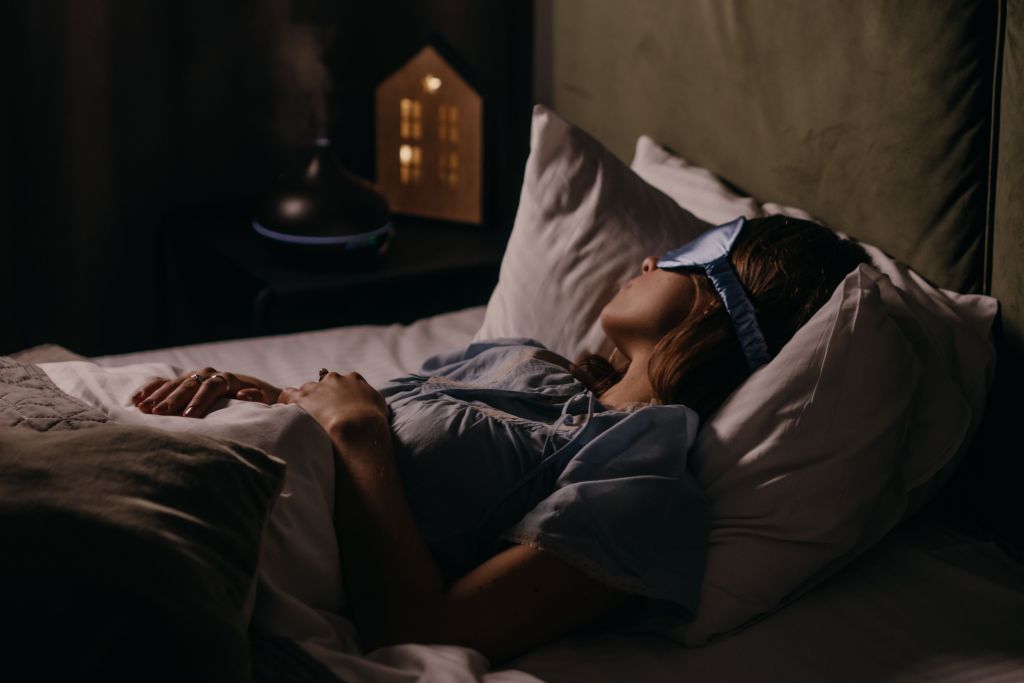
now, what does it mean to ‘____maxx’? this term, as defined by Mariam Webster, “describes the practice of optimizing a specific aspect of one’s life, often to an extreme degree”. specifically ‘sleepmaxxing’ is a ‘social media-drivn approach to improving sleep quality and quantity by using lifestyle habits, devices, and sometimes diet or supplements’ (Health Central).
essentially, sleep has become a performance. it has become something we are able to evaluate in detail. take the Oura Ring for example. this $400-$500 gadget is able to track heart rate, respiration, skin temperature trends, nightly movement, blood oxygen, and your sleep stages. when you wake up, you will be left with a detailed report in the form of a “Sleep Score”.
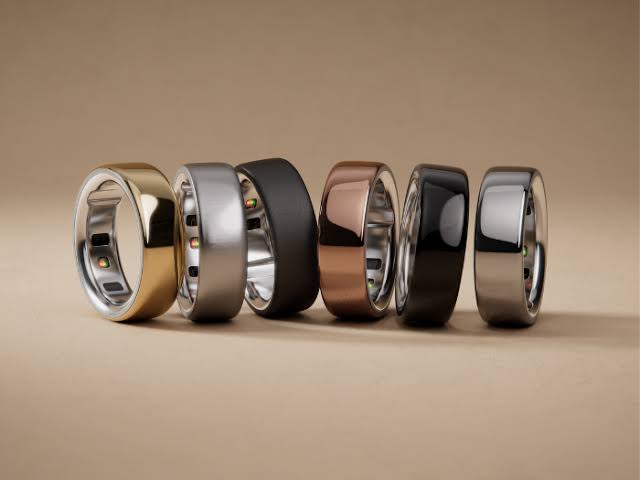
the Oura Ring may be the best-known device of its kind, but it’s far from the only option on the market. the RingConn Gen 2 is a highly rated alternative with no recurring monthly subscription, tracking similar features such as sleep apnea, heart rate, and blood oxygen. to name a few others, the Samsung Galaxy Ring, Ultrahuman Ring Air, and Amazfit Helio Ring also pack detailed sleep tracking into a compact fom factor. there are even smartwatches such as the Whoop, Fitbit, and the Apple Watch that are able to provide valuable insight and feedback to help you optimize your beauty rest to the highest degree.
image via Oura
the rise of sleep technology has become one of the biggest success stories in the wellness industry. the global sleep tracker market is projected to grow from ~$7.7 billion in 2026 to more than $25 billion by 2034. this is driven primarily by increasing consumer demand for personalized health insights and wearable technology. smart rings alone are expected to become one of the fastest-growing segments of the wearable market as consumers begin to favor easy, discreet, and sleek ‘health monitors’ that are low maintenance and always on.
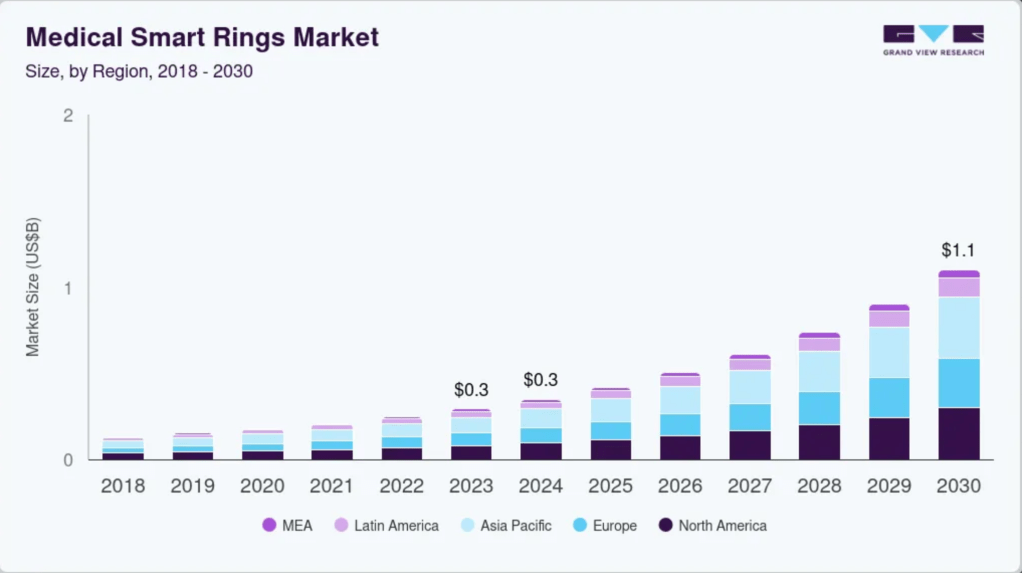
Oura has emerged as the clear market leader, selling over 5.5 million rings worldwide, generating over $500 million in revenue in 2024, then $1 billion in revenue in 2025, and is projecting their 2026 revenue to reach $1.5 billion to $2 billion. they have also reached an estimated ~$11 billion valuation. CEO Tom Hale hopes to maximize the company’s growth by capitalizing on AI-driven features and an expansion on an international market.
Grand View Research’s report on the wearable technology market from 2026-2033 states thhat the market size was valued at $92.9 billion (USD) in 2025, is predicted to grow to $103.1 billion in 2026, and will reach $229.9 billion by 2033 — at a CAGR (compound annual growth rate) of 12.1% from 2026 to 2033. to no surprise, the top companies leading this market include Apple and Oura.
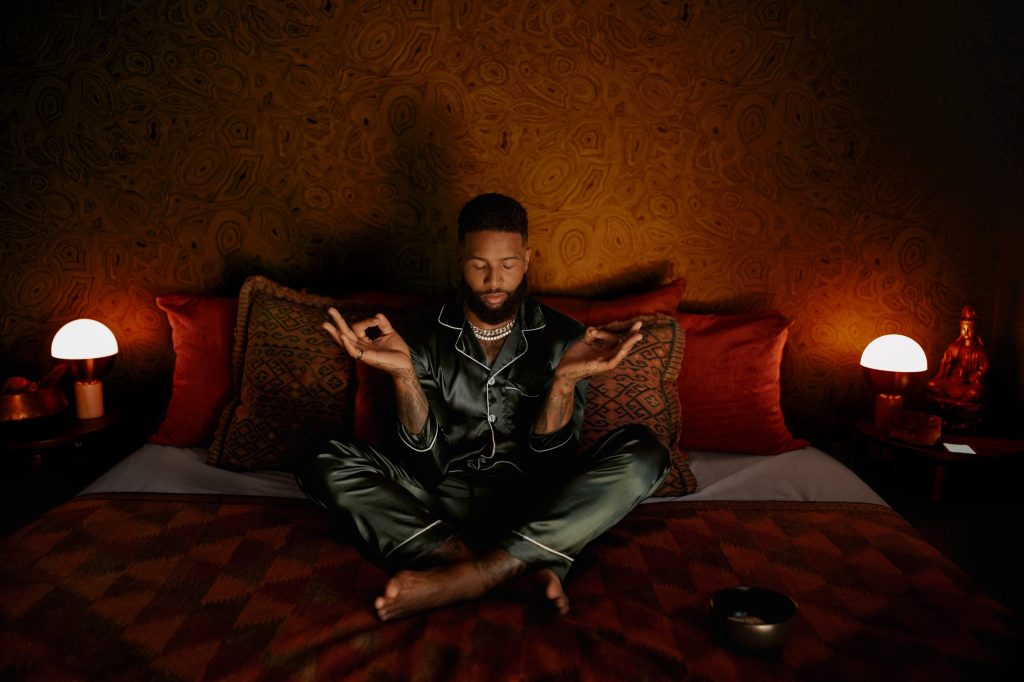
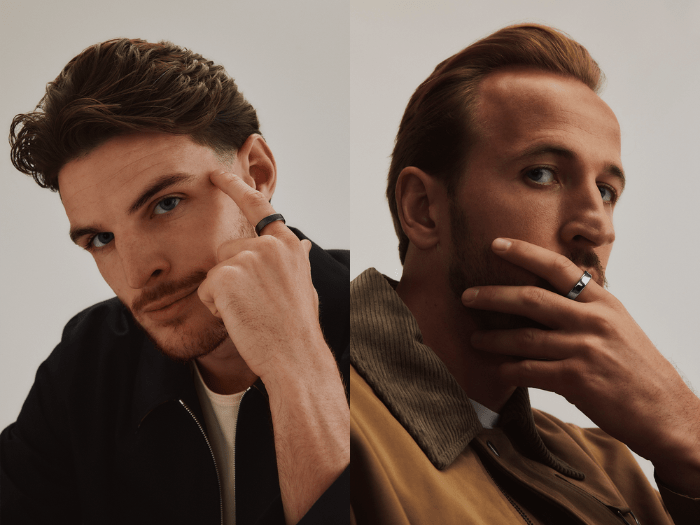
what makes these brands especially successful, however, isn’t just the technology, it’s also how they are marketed. rather than selling a ring or smartwatch on it’s own, companies like Oura sell the promise of better health, productivity, and longevity. their messaging emphasizes proactive health, encouraging users to prevent possible health issues before they arise. Oura has also strategically positioned itself as both a wellness device and a fasion accessory, designing their products to feel luxurious and sleek. combined with endorsements from professional athletes such as Harry Kane, Declan Rice, and Odell Beckham Jr., and being the official wearable partner for Team USA and the LA28 Olympic and Paralympic Games, their products have become symbols of status that appeal to consumers seeking to optimize the quality of their lives. this brand has truly created a loop of daily engagement that reinforces the “quantified self” movement.
as sleep tech continues to evolve, one thing is clear: getting a good night’s rest is no longer about closing your eyes, it’s also a business, a lifestyle, and another metric to optimize. even with all these shifts, remember, it’s still completely okay to just…go to bed!
References:
https://www.healthcentral.com/sleep/sleepmaxxing-smarter-sleep-or-just-hype
https://support.ouraring.com/hc/en-us/articles/11752397946003-Sleep-Stages
https://market.us/report/global-wearable-sleep-trackers-market
https://www.grandviewresearch.com/industry-analysis/wearable-technology-market
thank you for tuning in to this week’s post! we look forward to hearing your thoughts.


stay updated on the trends that are shaping modern culture, from beauty and home decor to the newest brand launches and lifestyle must-haves. don’t miss out, subscribe now!


Leave a Reply