
at this point, convenience feels less like a luxury and more like a personality trait. food shows up at your door, packages arrive the next day, and anything that takes effort feels slightly offensive. none of this happened overnight. it just slowly became normal.
and honestly, convenience is nice. it saves time, lowers stress, and makes life feel easier. but when you zoom out, it also quietly affects how much money we spend, how healthy we are, how the economy works, what happens to the environment, and even the quality of the things we consume. convenience is not free. we just do not always see the bill right away.
this post breaks down what convenience is really costing us, beyond a few extra delivery fees, and why the tradeoff is way bigger than it seems.
money: convenience adds up fast
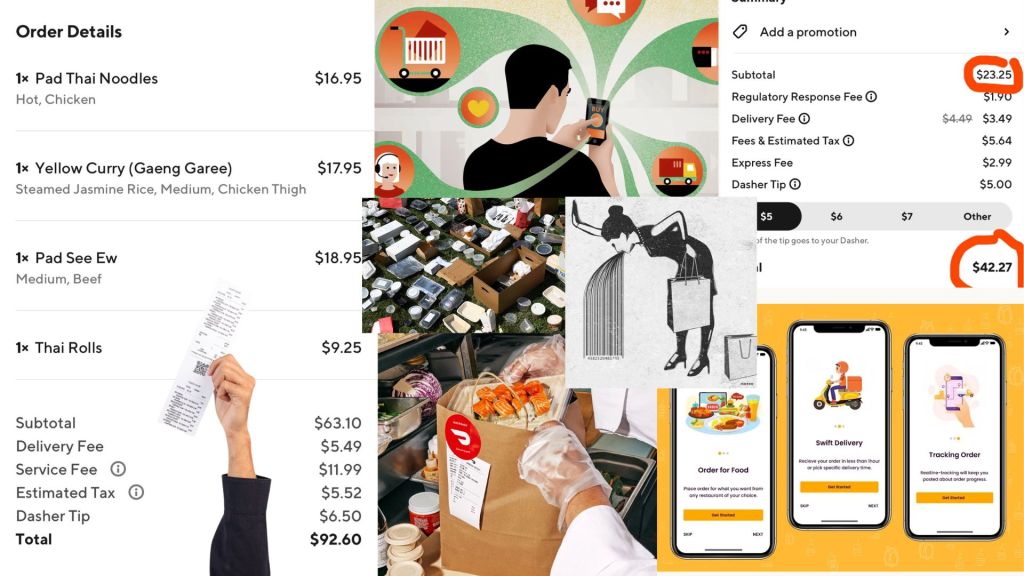
convenience doesn’t feel expensive because it never asks for a lot at once. it just keeps asking a little. over and over again. and somehow, we keep saying yes.
food delivery shows this best; over 60% of adults now use delivery apps regularly, and among gen z, it’s even higher. globally, food delivery is a hundreds-of-billions-dollar industry. clearly, this is a trend that isn’t slowing down anytime soon.
the cost adds up fast. factoring in fees, tips, and menu markups, ordering food can cost 30-70% more than picking it up yourself. a $15 meal can quickly turn into $30 without much thought. nowadays, the average person spends $100-$200 a month on delivery, or $1,400 a year,
that is exactly why the spending doesn’t feel dramatic, rather, it’s small clicks, fast delivery, and fees that you barely notice. convenience may not drain your wallet loudly, but it sure will quietly!
(stats sourced from consumer surveys, financial tracking platforms, and retail industry reports)
health: convenience isn’t neutral
the convenience that is so readily available to us doesn’t just reshape our bank accounts, but also our health, which is arguably more important. at the end of the day, health is money!
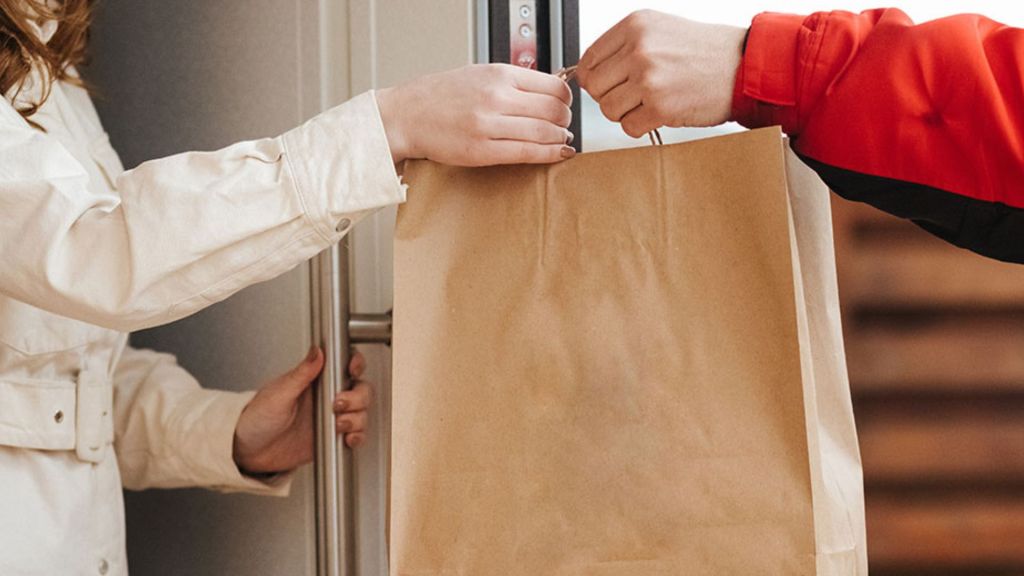
research on delivery apps shows that over 70% of meals ordered are fast-food or ultra-processed, meaning high calories, high sodium, and low nutrition. frequency matters too. surveys find that people who regularly use delivery apps eat out 2-3 times more often than those who don’t. fewer home-cooked meals are consistently linked to higher calorie intake and overall worse diet quality.
movement drops as well. when food, groceries, and packages all come to your door, daily activity goes down. public health studies connect increased delivery use with more sedentary behavior and higher risks of weight gain and low energy over time.
while none of this may be dramatic overnight, it slowly becomes the default, and your body will adjust around it.
environment: convenience’s footprint
while convenience may be great for us, it’s not so great for the planet.
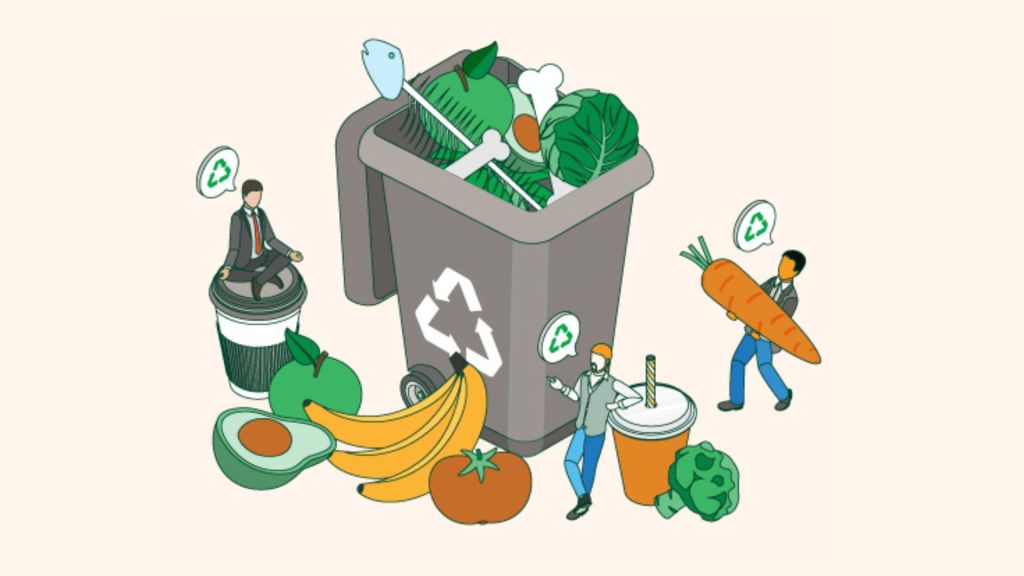
food delivery creates a lot more waste than we think. studies show that a single delivery meal can generate 20-30 times more packaging waste than cooking at home, mostly from single-use plastics. one order, one person, and suddenly you’re left with a personal trash pile.
emissions will tell the same story. research suggests that one delivery order can produce 3-5x more CO₂ than making the same meal yourself, once you factor in transportation, packaging, and inefficient routes. it isn’t just the drive but also everything around it.
shipping is the same, maybe even…worse. fast and next-day delivery increases carbon emissions by 10-12% compared to slower, grouped shipping. but because speed is expected now, efficiency has taken a back seat.
once again, none of this seems crazy in the moment. but convenience doesn’t hurt the environment all at once but rather quietly, order by order, and box by box.

consumerism: trained to buy more
convenience didn’t just make buying easier, it changed how often we buy as well.
when checkout is one click and delivery is tomorrow, hesitation disappears. retail studies show people spend up to 30% more when purchases are frictionless, impulse buys spike when shipping is fast. the tiny pause of “do i need this?” is suddenly gone.
subscriptions make the process sneakier. now, the average consumer has 6-8 subscriptions, many of which auto-renew and gently tug on your wallet month by month. delivery culture amplified this; takeout and delivery now make up roughly 70–75% of restaurant traffic in the U.S., which means convenience isn’t the exception but the standard. buying becomes a habit, not a decision.
convenience didn’t make us careless but what it did do is make spending feel effortless. and when buying takes zero effort, we buy more, more often, without really noticing.

quality: faster slowly meant worse
convenience’s help didn’t just make things faster, it quietly lowered the bar.
when speed is the priority, quality usually takes the hit. surveys show that over half of consumers say product quality has declined over the past few years, especially for fast-fashion, home goods, and everyday items bought online. cheaper materials equals quicker production!
food feels it too. delivery-heavy restaruant models rely on items that travel well, not necessarily taste best. studies on takeout quality find that texture and freshness drop significantly the longer food sits, meaning we may hear more of “it’s fine” rather than “this is amazing”.
returns give us the same story. online shopping now has return rates of 20–30%, compared to under 10% in-store. unfortunately, when buying is easy, disappointment is common. convenience made it normal to settle first and fix it later.
the craziest part is how we just adjusted to this shift; instead of expecting better, we adapted our expectations downward…mediocre is now acceptable and “good enough” became good.
at the end of the day, convenience isn’t the villain. it made life easier, faster, and more manageable in ways we genuinely needed. but it also quietly rewired how we spend, eat, move, buy, and even what we’re willing to accept as “good enough.” money slips away in small fees, health shifts through habits we barely notice, the environment absorbs the impact of speed, and quality lowers because fast became the priority.
the real cost of convenience isn’t one delivery order or one-click purchase. it’s what happens when ease becomes the baseline and effort starts to feel unnecessary. convenience didn’t just save us time. it changed our standards.
the question isn’t whether convenience is worth it. it’s whether we still notice what we’re trading for it.
thank you for tuning in to this week’s post! we look forward to hearing your thoughts.


stay updated on the trends that are shaping modern culture, from beauty and home decor to the newest brand launches and lifestyle must-haves. subscribe now, don’t miss out!
 The Trend Talk
Leave a comment